

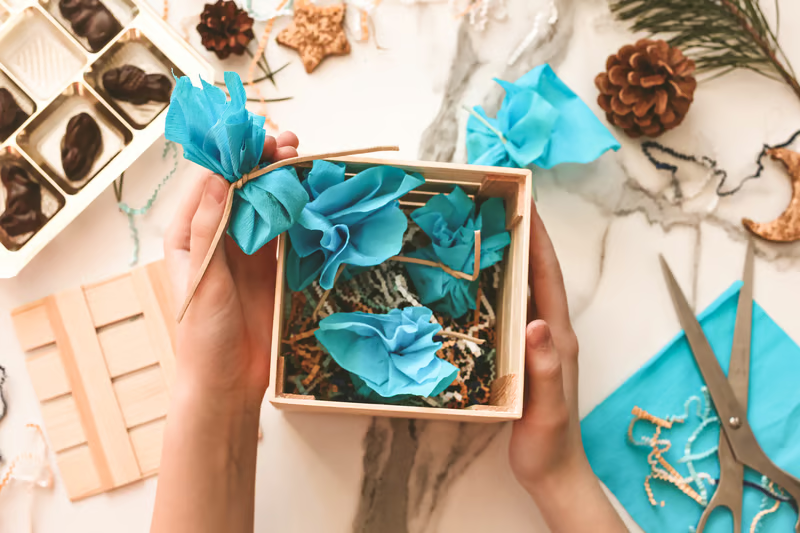
Crafting has always been one of the most enjoyable and rewarding forms of creativity. Across different cultures and generations, people have used crafts not only as artistic expression but also as a way to relax, connect with others, personalize their surroundings, and transform simple materials into meaningful creations. In today’s fast-paced digital world, crafting continues growing in popularity because it offers something many people crave deeply: hands-on creativity, mindfulness, and the satisfaction of making something unique with their own effort and imagination.
One of the most beautiful aspects of crafting is that it welcomes everyone regardless of age, experience, or artistic background. Some people enjoy crafting casually as a relaxing hobby, while others turn their creative projects into small businesses, social media brands, or professional artistic careers. Whether someone enjoys painting, paper crafts, sewing, woodworking, candle making, resin art, embroidery, knitting, or home décor projects, crafting offers endless opportunities for personal expression and skill development.
Another reason crafting remains so popular is its incredible flexibility. There are craft projects suited for complete beginners using inexpensive materials, while more advanced creators can explore highly detailed artistic techniques requiring specialized tools and professional-level precision. This makes crafting one of the few creative hobbies where people can continuously grow, experiment, and evolve their style over time.
Crafting also supports mental well-being in powerful ways. Many people find that hands-on creative activities reduce stress, improve focus, encourage patience, and create a sense of accomplishment. Unlike passive entertainment, crafting encourages active engagement and imagination. The process itself often becomes just as rewarding as the finished result.
Modern social media platforms and online communities have also transformed crafting into a global creative movement. Platforms like Pinterest, Instagram, TikTok, Etsy, and YouTube allow creators to share ideas, tutorials, inspiration, and finished projects with audiences worldwide. This has made learning new crafts far more accessible than ever before.
However, many beginners feel overwhelmed when trying to choose the right projects to start with. With so many creative possibilities available, it can be difficult to know which crafts match different skill levels, budgets, personalities, and creative goals. Some projects are ideal for relaxation and simplicity, while others challenge advanced artistic techniques and long-term dedication.
In this comprehensive guide, you will discover some of the best craft projects for every skill level and creative style, along with practical ideas, inspiration, and guidance to help you explore crafting in enjoyable and meaningful ways.
Why Crafting Continues Growing in Popularity
Crafting remains popular because it combines creativity, relaxation, learning, and personal expression in ways few hobbies can match.
People often turn to crafting because it provides:
Stress relief
Creative fulfillment
Mental focus
Personal achievement
Social connection
Home decoration opportunities
Handmade gift creation
Business potential
Unlike purely digital activities, crafting involves physical interaction with materials, textures, tools, and colors. This hands-on process often feels calming and rewarding.
Crafting also appeals to many different personalities because there are projects suited for:
Minimalists
Detail-oriented creators
Experimental artists
Practical DIY enthusiasts
Decorative designers
Traditional crafters
The variety makes crafting accessible to almost everyone.
Choosing the Right Craft Project for Your Skill Level
One of the biggest mistakes beginners make is choosing projects that feel far too advanced too quickly.
Difficult projects may create frustration and discourage creativity rather than inspire it.
The best approach is starting with:
Simple materials
Beginner-friendly techniques
Smaller projects
Affordable supplies
As confidence grows, creators can gradually explore more advanced crafts.
Crafting should feel enjoyable and rewarding rather than stressful or overwhelming.
Beginner-Friendly Craft Projects
Beginners benefit most from crafts that:
Require minimal tools
Have forgiving techniques
Produce quick results
Encourage experimentation
Simple projects help build confidence while teaching foundational creative skills.
DIY Candle Making
Candle making became extremely popular because it combines creativity with practicality.
Beginners can experiment with:
Different waxes
Fragrances
Colors
Containers
Decorative elements
Homemade candles also make excellent gifts and home décor items.
Basic candle-making supplies are relatively affordable, making it an accessible beginner project.
Painted Flower Pots
Painting flower pots is one of the easiest beginner crafts available.
Creators can personalize pots using:
Acrylic paint
Stencils
Patterns
Hand lettering
Geometric designs
This craft requires very little investment while allowing endless creative freedom.
Painted pots also brighten indoor and outdoor spaces beautifully.
Friendship Bracelets and Jewelry Making
Simple jewelry projects remain popular across many age groups.
Beginners can start with:
Beaded bracelets
String bracelets
Wire rings
Polymer clay earrings
Jewelry crafting improves patience, coordination, and color-combination skills while remaining highly enjoyable.
Scrapbooking and Memory Journals
Scrapbooking combines creativity with storytelling.
People use:
Photographs
Decorative paper
Stickers
Handwritten notes
Washi tape
Drawings
to preserve memories artistically.
Memory journals and scrapbooks feel deeply personal and emotionally meaningful.
Intermediate Craft Projects for Growing Skills
As creators gain confidence, they often seek projects involving more detail and technique.
Intermediate crafts usually require:
More patience
Better planning
Stronger tool familiarity
Improved artistic precision
These projects help creators expand their creative abilities significantly.
Embroidery and Hand Stitching
Embroidery has experienced a major resurgence in popularity.
Modern embroidery includes:
Floral patterns
Minimalist art
Typography
Decorative clothing
Wall art
Hand stitching encourages patience and mindfulness while creating highly personalized designs.
Beginners can start with simple patterns before progressing toward advanced detail work.
Resin Art and Epoxy Crafts
Resin art became highly popular because of its glossy, modern aesthetic.
Artists create:
Coasters
Jewelry
Trays
Decorative art pieces
Ocean-inspired designs
using epoxy resin combined with pigments, glitter, dried flowers, and other decorative elements.
Resin crafting requires careful safety precautions and patience but offers stunning creative possibilities.
Sewing and Fabric Crafts
Sewing allows creators to produce both decorative and practical items.
Intermediate sewing projects may include:
Tote bags
Pillow covers
Aprons
Fabric organizers
Simple clothing pieces
Sewing teaches valuable technical skills while encouraging creativity and customization.
Handmade fabric projects also create deeply personal gifts.
Home Décor DIY Projects
Many crafters enjoy projects that improve living spaces.
Popular home décor crafts include:
Macramé wall hangings
Decorative trays
Handmade signs
Customized frames
Floating shelves
Seasonal decorations
DIY home décor combines artistic creativity with functional design.
Advanced Craft Projects for Experienced Creators
Advanced crafts often involve:
Specialized tools
Technical precision
Long-term dedication
Complex artistic planning
Experienced creators often enjoy these projects because they provide deeper creative challenges.
Woodworking and Furniture Building
Woodworking combines craftsmanship with engineering and design.
Advanced projects may include:
Tables
Shelving
Cabinets
Decorative wood carvings
Outdoor furniture
Woodworking requires:
Precision
Patience
Tool safety knowledge
but produces highly rewarding long-lasting creations.
Pottery and Ceramic Art
Pottery remains one of the oldest and most respected craft forms.
Ceramic artists create:
Bowls
Mugs
Sculptures
Decorative pottery
Functional kitchenware
Pottery combines technical skill with artistic expression beautifully.
The tactile nature of clay work often feels especially therapeutic.
Advanced Textile and Fiber Arts
Experienced textile artists may explore:
Quilting
Weaving
Advanced embroidery
Crochet patterns
Knitting garments
These crafts require significant patience and practice but allow incredible creative depth.
Digital and Mixed-Media Crafts
Modern crafting increasingly combines physical and digital creativity.
Examples include:
Cricut crafting
Digital illustration
Vinyl cutting
Laser engraving
Printable artwork
Technology expanded crafting possibilities dramatically in recent years.
Digital crafting tools also support small creative businesses effectively.
Seasonal Craft Projects
Seasonal crafting remains extremely popular because it allows people to personalize celebrations and home décor.
Holiday Decorations
Popular projects include:
Christmas ornaments
Halloween decorations
Easter centerpieces
Thanksgiving wreaths
Seasonal crafts create warm traditions and family memories.
Handmade Gifts
Many people enjoy creating:
Personalized candles
Customized mugs
Handmade cards
Decorative baskets
Memory albums
Handmade gifts often feel far more meaningful than mass-produced items.
Crafting for Relaxation and Mental Wellness
One major reason crafting became increasingly popular is its positive effect on mental health.
Crafting often helps people:
Reduce stress
Improve focus
Disconnect from screens
Slow racing thoughts
Build confidence
The repetitive and tactile nature of many crafts creates calming effects similar to mindfulness practices.
Creative hobbies also provide emotional satisfaction because they involve visible progress and accomplishment.
Crafting as a Family Activity
Crafting creates valuable opportunities for family bonding.
Family craft activities encourage:
Creativity
Communication
Collaboration
Imagination
Simple family-friendly projects include:
Paper crafts
Painting
Holiday decorations
Clay modeling
DIY cards
Crafting together often creates stronger memories than passive entertainment.
Affordable Crafting on a Budget
Many people assume crafting is expensive, but many excellent projects remain highly affordable.
Budget-friendly crafting ideas include:
Recycled material projects
Paper crafts
Painted décor
Nature-inspired crafts
Upcycled furniture
Creativity matters far more than expensive materials.
Many skilled artists create beautiful work using very simple supplies.
Sustainable and Eco-Friendly Crafting
Sustainable crafting continues growing in popularity.
Eco-conscious creators often use:
Recycled materials
Natural fibers
Reclaimed wood
Upcycled fabrics
Reusable containers
Sustainable crafting reduces waste while encouraging thoughtful creativity.
Upcycling old items into artistic creations also adds unique character to projects.
Crafting and Small Business Opportunities
Many people transform craft hobbies into successful businesses.
Popular handmade business categories include:
Jewelry
Candles
Home décor
Art prints
Personalized gifts
Clothing
Resin art
Platforms like Etsy and Instagram allow creators to reach global audiences more easily than ever before.
However, turning crafts into businesses also requires:
Branding
Marketing
Pricing strategy
Customer service
Inventory management
Creative skill alone is usually not enough for business success.
Building Your Own Creative Style
One of the most rewarding parts of crafting is developing a personal style over time.
Many beginners initially copy tutorials closely, which is completely normal.
As creators gain experience, they naturally begin:
Combining techniques
Experimenting with colors
Personalizing designs
Developing artistic preferences
Creative style evolves gradually through experimentation and consistency.
The Importance of Experimentation in Crafting
Many people fear making mistakes while crafting.
However, experimentation is one of the most important parts of creative growth.
Mistakes often lead to:
Unexpected discoveries
New techniques
Improved problem-solving
Artistic confidence
Crafting should encourage curiosity rather than perfectionism.
Organizing a Craft Space
Having a dedicated creative space improves consistency and organization.
Craft spaces do not need to be large or expensive.
Even small organized areas help creators:
Access supplies easily
Stay motivated
Reduce clutter
Work more comfortably
Good organization also prevents wasted materials and frustration.
Craft Supplies Every Beginner Should Have
Although supplies vary by craft type, some basic materials remain widely useful.
Examples include:
Scissors
Glue
Paint brushes
Acrylic paint
Measuring tape
Storage containers
Cutting mats
Markers
Craft knives
Quality tools improve crafting experience significantly over time.
Why Social Media Changed Crafting Forever
Platforms like:
Pinterest
TikTok
Instagram
YouTube
transformed crafting into a massive online creative community.
Creators now have access to:
Tutorials
Inspiration
Product recommendations
Business advice
Artistic communities
This accessibility encouraged millions of people to begin crafting.
Online platforms also helped many artists monetize their creativity successfully.
Common Beginner Crafting Mistakes
Beginners often:
Buy too many supplies immediately
Choose overly difficult projects
Compare themselves unfairly to professionals
Fear mistakes excessively
Crafting improves gradually through practice and experimentation.
Patience is essential.
Enjoying the process matters just as much as the final result.
Why Handmade Creations Feel So Meaningful
Handmade crafts carry emotional value because they represent:
Time
Effort
Creativity
Personal attention
Unlike mass-produced products, handmade items feel deeply personal and unique.
This emotional connection is one reason crafting continues thriving despite mass manufacturing and digital convenience.
Crafting Trends Continuing to Grow
Several crafting trends continue gaining popularity worldwide.
Examples include:
Minimalist décor crafts
Resin art
Eco-friendly crafting
Cottagecore aesthetics
Personalized gifts
Handmade candles
DIY self-care products
However, timeless crafts such as sewing, painting, woodworking, and pottery remain consistently popular as well.
FAQs About Craft Projects
What is the best craft for beginners?
Simple crafts like candle making, painting flower pots, scrapbooking, and friendship bracelets are excellent for beginners.
Can crafting become a business?
Yes. Many people successfully sell handmade crafts online, at markets, and through social media platforms.
Why is crafting good for mental health?
Crafting helps reduce stress, improve focus, encourage mindfulness, and create a sense of accomplishment.
What are affordable craft projects?
Paper crafts, painted décor, recycled-material projects, and DIY jewelry are budget-friendly options.
How do I find my own creative style?
Creative style develops naturally through experimentation, practice, and exploring different techniques over time.
Conclusion
Crafting remains one of the most rewarding and versatile creative activities because it combines imagination, hands-on creativity, relaxation, and personal expression in ways that appeal to people of all ages and skill levels. Whether someone enjoys simple beginner-friendly DIY projects or highly advanced artistic techniques, crafting offers endless opportunities for learning, experimentation, and meaningful self-expression.
The beauty of crafting lies not only in the finished creations but also in the process itself. Crafting encourages mindfulness, patience, curiosity, and creativity while helping people disconnect from stress and reconnect with hands-on artistic experiences. It allows individuals to personalize their surroundings, create meaningful gifts, develop practical skills, and even build successful creative businesses over time.
With so many craft styles available, there is truly something for everyone. Beginners can start with simple affordable projects while gradually building confidence and discovering personal artistic preferences. More experienced creators can continue exploring increasingly detailed techniques and challenging artistic forms.
As online communities and digital platforms continue making inspiration and tutorials more accessible, crafting will likely remain an important creative outlet for millions of people worldwide. Whether pursued casually for relaxation or seriously as an artistic passion, crafting continues offering one of the most enjoyable and fulfilling ways to express creativity and turn imagination into something tangible and meaningful.