

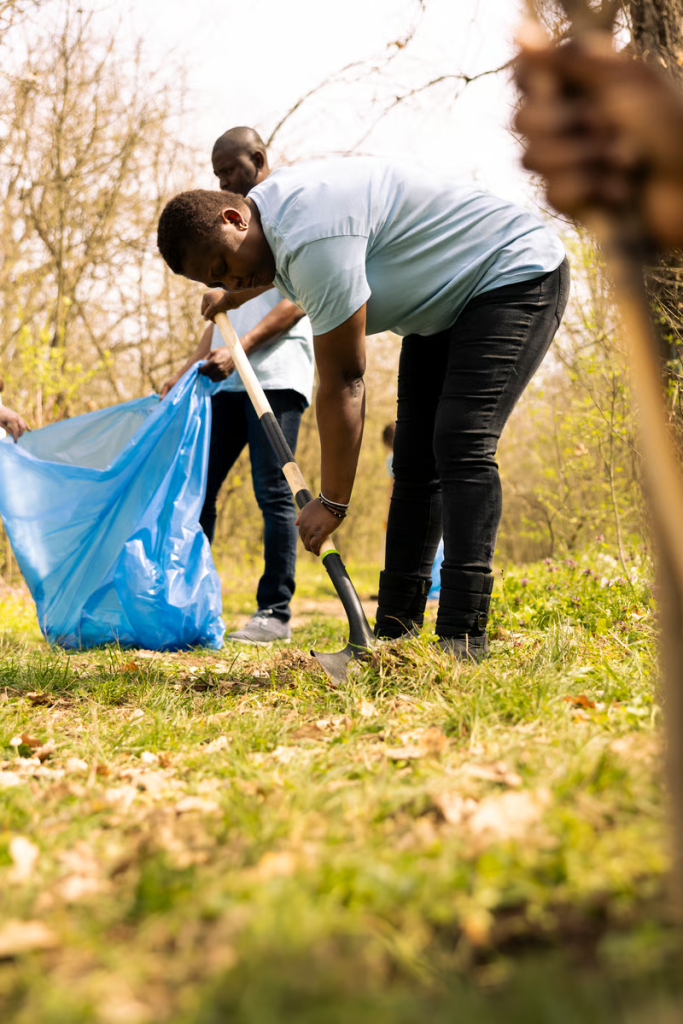
Community service has always played an important role in building stronger, healthier, and more connected societies. Whether it involves helping vulnerable populations, supporting local neighborhoods, protecting the environment, mentoring students, organizing charitable events, or volunteering time and skills, community service creates positive change that benefits both the people receiving help and those providing it. In a world where many social challenges continue growing, acts of service and civic engagement remain essential for creating compassionate and supportive communities.
One of the most powerful aspects of community service is that it can take many different forms. Some people contribute through small individual acts of kindness, while others organize large projects involving schools, businesses, nonprofit organizations, or entire communities. Community service is not limited to financial donations alone. Time, effort, creativity, leadership, and practical skills can often create just as much impact as money.
Today, community service is also increasingly important in educational and professional environments. Schools encourage students to volunteer because service projects help develop leadership, teamwork, empathy, responsibility, and communication skills. Corporations invest in community service initiatives because businesses are now expected to demonstrate social responsibility and community involvement beyond profit generation. Individuals pursue volunteer work because it provides emotional fulfillment, networking opportunities, personal growth, and the chance to contribute meaningfully to causes they care about.
Modern communities face many different challenges that create opportunities for impactful service. These include:
Food insecurity
Educational inequality
Environmental concerns
Mental health struggles
Homelessness
Elderly isolation
Community violence
Youth mentorship gaps
At the same time, many people want to help but struggle to find meaningful service ideas that match their skills, schedules, or available resources. Some individuals believe they need large budgets or organizations to make a difference, when in reality even small projects can create powerful local impact when approached thoughtfully and consistently.
Community service also benefits volunteers personally. Research consistently shows that volunteering can improve:
Mental well-being
Confidence
Social connection
Leadership ability
Communication skills
Sense of purpose
Helping others often strengthens emotional fulfillment and community belonging.
Whether you are an individual looking to give back, a school searching for student service projects, or a corporation developing social responsibility initiatives, there are countless creative and meaningful ways to contribute positively to communities.
In this comprehensive guide, you will discover impactful community service ideas for individuals, schools, and corporations, along with practical insights into how these projects can create lasting social value and stronger community relationships.
Why Community Service Matters More Than Ever
Community service strengthens society by encouraging people to care for others beyond their immediate personal interests.
Strong communities depend on:
Cooperation
Compassion
Civic responsibility
Mutual support
Without active community involvement, many social challenges become much more difficult to address effectively.
Community service helps:
Build trust
Reduce isolation
Support vulnerable populations
Strengthen neighborhoods
Encourage leadership
Improve quality of life
Acts of service also inspire others to contribute, creating positive ripple effects throughout communities.
Benefits of Community Service for Individuals
Volunteering does not only help recipients. It also benefits volunteers personally in many meaningful ways.
Community service often improves:
Emotional well-being
Confidence
Social skills
Leadership abilities
Communication
Empathy
Time management
Many volunteers also report stronger feelings of:
Purpose
Gratitude
Personal fulfillment
Helping others often creates perspective and emotional growth.
Community involvement also introduces people to:
New friendships
Professional networks
Learning opportunities
Career development experiences
Community Service Ideas for Individuals
Many people assume meaningful service requires large organizations or major funding. In reality, individuals can create significant local impact independently.
Volunteer at Local Food Banks
Food insecurity affects millions of people worldwide.
Food banks often need volunteers for:
Sorting donations
Packaging meals
Organizing inventory
Distributing food
This type of service creates direct immediate impact for families in need.
Food bank volunteering also teaches teamwork and community awareness.
Mentor Younger Students
Many children and teenagers benefit greatly from mentorship and academic support.
Individuals can volunteer to:
Tutor students
Help with homework
Teach reading skills
Offer career guidance
Mentorship builds confidence and educational support for young people while creating rewarding relationships for volunteers.
Organize Neighborhood Cleanups
Environmental service projects improve both appearance and community pride.
Neighborhood cleanup activities may include:
Picking up litter
Planting flowers
Cleaning parks
Removing graffiti
Beautifying public spaces
Even small cleanup efforts can inspire stronger community responsibility.
Visit Elderly Care Centers
Many elderly individuals experience loneliness and social isolation.
Volunteers can:
Spend time talking
Read books
Assist with activities
Organize entertainment
Teach technology basics
Simple companionship often creates enormous emotional value.
Donate Skills Instead of Money
People can contribute professional skills through:
Graphic design
Photography
Writing
Legal advice
Financial guidance
Technology support
Skill-based volunteering helps nonprofits and community organizations access valuable expertise they may not otherwise afford.
Community Service Ideas for Schools
Schools play an extremely important role in encouraging civic responsibility and leadership development.
Student volunteer projects teach:
Teamwork
Responsibility
Empathy
Problem-solving
Social awareness
School Supply Donation Drives
Many students lack access to basic educational supplies.
Schools can organize donation drives for:
Notebooks
Pens
Backpacks
Art materials
Technology devices
These projects help students understand educational inequality while supporting classmates and local communities.
Community Garden Projects
School gardens combine:
Environmental education
Teamwork
Nutrition awareness
Community engagement
Students can:
Plant vegetables
Maintain gardens
Donate produce
Learn sustainability
Gardening projects create both educational and social value.
Peer Tutoring Programs
Older students can tutor younger students in:
Math
Reading
Science
Language skills
Peer tutoring builds leadership while strengthening academic support within schools.
Students often feel more comfortable learning from peers in supportive environments.
Charity Fundraising Events
Schools can organize:
Bake sales
Walkathons
Talent shows
Sports tournaments
Charity auctions
Fundraising events teach:
Organization
Collaboration
Financial responsibility
Leadership
These activities also strengthen school spirit and community involvement.
Mental Health Awareness Campaigns
Student-led mental health initiatives can reduce stigma and encourage support.
Projects may include:
Awareness posters
Wellness workshops
Peer support groups
Kindness campaigns
Supporting emotional well-being has become increasingly important in modern schools.
Community Service Ideas for Corporations
Corporate community service has become an important part of modern business culture.
Consumers increasingly expect companies to demonstrate:
Social responsibility
Ethical values
Community involvement
Strong service initiatives improve:
Employee morale
Brand reputation
Team bonding
Public trust
Employee Volunteer Days
Many businesses organize volunteer days where employees work together on community projects.
Examples include:
Park cleanups
Food distribution
School painting projects
Habitat restoration
These events strengthen teamwork while creating visible community impact.
Corporate Mentorship Programs
Professionals can mentor:
Students
Young entrepreneurs
Job seekers
Interns
Mentorship programs help transfer knowledge while supporting career development in communities.
Sponsoring Local Nonprofits
Corporations may support nonprofits through:
Funding
Donations
Volunteer support
Event sponsorships
Skill-sharing partnerships
Strategic partnerships allow businesses to contribute resources effectively while supporting meaningful causes.
Environmental Sustainability Projects
Corporate environmental service may include:
Tree planting
Recycling initiatives
Clean energy projects
Waste reduction campaigns
Environmental responsibility increasingly influences public perception of businesses.
Scholarship and Education Programs
Companies can support education through:
Scholarships
Internship programs
Technology donations
Career workshops
Educational investment creates long-term community development opportunities.
Why Small Community Service Projects Still Matter
Many people underestimate the impact of smaller local projects.
However, even modest efforts can:
Improve lives
Inspire others
Strengthen relationships
Build momentum for larger initiatives
Small consistent actions often create stronger long-term influence than occasional large gestures.
Community change frequently begins at local levels.
The Importance of Consistency in Community Service
Meaningful service is often more effective when it becomes consistent rather than temporary.
Long-term involvement helps:
Build trust
Strengthen relationships
Improve project sustainability
Communities benefit most when volunteers remain genuinely committed rather than treating service as a short-term activity only.
Community Service and Leadership Development
Volunteer projects help develop valuable leadership skills.
Participants learn:
Communication
Organization
Problem-solving
Collaboration
Conflict resolution
These experiences benefit:
Students
Professionals
Entrepreneurs
Community leaders
Service often creates practical real-world leadership opportunities.
Virtual and Online Community Service Ideas
Modern technology created new opportunities for digital volunteering.
Examples include:
Online tutoring
Virtual mentoring
Social media awareness campaigns
Remote nonprofit support
Digital fundraising
Online service expands accessibility for people with limited transportation or scheduling flexibility.
Environmental Community Service Projects
Environmental service projects continue growing in importance.
Examples include:
Beach cleanups
Recycling campaigns
Tree planting
Wildlife conservation
Sustainability education
Environmental initiatives benefit both current and future generations.
Community Service Through Creativity
Artists and creators can contribute through:
Public murals
Music performances
Art therapy workshops
Creative fundraising
Creative service projects often engage communities emotionally while supporting important causes.
Supporting Homeless Communities
Homeless support initiatives may include:
Hygiene kit distribution
Meal preparation
Clothing drives
Shelter volunteering
These projects help vulnerable populations while increasing community awareness about poverty and housing insecurity.
Youth-Focused Community Programs
Young people benefit greatly from supportive community environments.
Service ideas include:
Sports mentorship
Career guidance
Homework assistance
Leadership workshops
Positive youth engagement reduces social isolation and strengthens future community leadership.
Why Community Service Strengthens Social Connection
Modern lifestyles often create isolation and disconnection.
Community service brings people together around shared goals.
Volunteering encourages:
Cooperation
Empathy
Human connection
Shared responsibility
Communities become stronger when people actively care about one another.
Common Challenges in Community Service Projects
Service initiatives sometimes face challenges such as:
Limited funding
Volunteer shortages
Weak organization
Burnout
Communication problems
Strong planning and realistic goals improve project sustainability significantly.
How to Choose the Right Community Service Project
The best service projects often align with:
Personal interests
Skills
Available time
Community needs
People are more likely to remain committed when projects feel personally meaningful.
Successful service should feel purposeful rather than forced.
Why Community Service Helps Mental Health
Helping others often improves emotional well-being.
Volunteering can reduce:
Stress
Isolation
Anxiety
Feelings of purposelessness
Acts of service frequently create stronger emotional fulfillment and gratitude.
Measuring Community Service Impact
Successful service projects should evaluate:
Participation levels
Community feedback
Long-term outcomes
Volunteer engagement
Measuring impact helps improve future initiatives and maintain accountability.
Building Long-Term Community Partnerships
Strong service projects often involve collaboration between:
Schools
Businesses
Nonprofits
Volunteers
Community leaders
Partnerships increase:
Resources
Visibility
Sustainability
Overall impact
Communities become stronger through cooperation.
Why Service Learning Matters in Education
Service learning combines community work with educational growth.
Students gain:
Real-world experience
Civic awareness
Leadership development
Social responsibility
Educational institutions increasingly recognize the value of experiential learning through service.
Encouraging More People to Volunteer
Many people want to help but feel uncertain about where to begin.
Communities can encourage volunteering by:
Making opportunities accessible
Promoting local projects
Creating welcoming environments
Recognizing volunteer contributions
Positive volunteer experiences often inspire continued involvement.
The Long-Term Impact of Community Service
Strong service initiatives can create lasting change by:
Improving education
Supporting vulnerable populations
Strengthening neighborhoods
Encouraging civic engagement
Even smaller projects can inspire long-term positive transformation over time.
FAQs About Community Service
Why is community service important?
Community service strengthens communities, supports vulnerable populations, encourages leadership, and improves social connection.
What are easy community service ideas for beginners?
Food bank volunteering, neighborhood cleanups, tutoring, and donation drives are excellent beginner service projects.
How does community service help students?
Students develop leadership, teamwork, empathy, communication skills, and civic responsibility through volunteering.
Why do corporations invest in community service?
Corporate service improves brand reputation, employee morale, teamwork, and public trust.
Can small community service projects still make a difference?
Yes. Small consistent actions often create meaningful local impact and inspire larger community involvement.
Conclusion
Community service remains one of the most powerful ways individuals, schools, and corporations can create positive social impact while strengthening human connection, empathy, and civic responsibility. Whether through volunteering time, sharing professional skills, supporting education, protecting the environment, mentoring youth, or organizing local initiatives, acts of service help build stronger and more compassionate communities.
One of the most important truths about community service is that meaningful impact does not always require enormous resources or large organizations. Small thoughtful projects, when approached consistently and sincerely, can improve lives, inspire others, and strengthen local relationships in significant ways. Every contribution matters, regardless of size.
Community service also benefits volunteers personally by encouraging leadership development, emotional growth, teamwork, confidence, and a stronger sense of purpose. Schools use service projects to prepare students for responsible citizenship, while corporations increasingly recognize that social responsibility and community engagement are essential parts of ethical modern business culture.
As communities continue facing social, economic, educational, and environmental challenges, community service will remain critically important for creating positive change. By encouraging compassion, collaboration, and active civic participation, service projects help individuals and organizations become meaningful contributors to stronger, healthier, and more connected communities for future generations.